
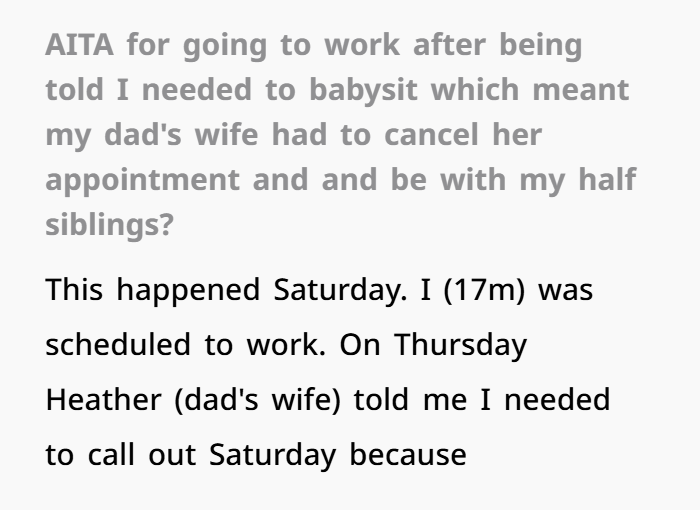
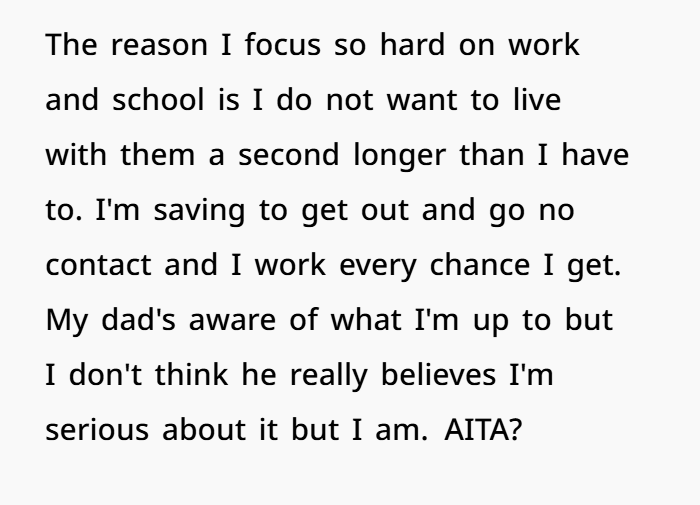
A 17-year-old boy is dealing with a difficult situation at home with his father and stepmother. He has a scheduled work shift on Saturday, and he takes his job seriously because he is saving money and planning for financial independence in the future.
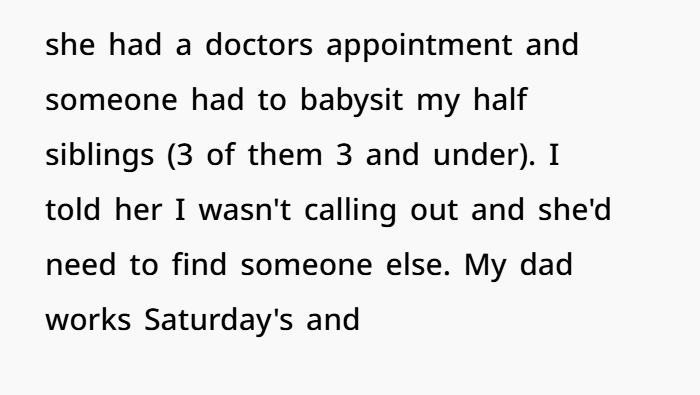
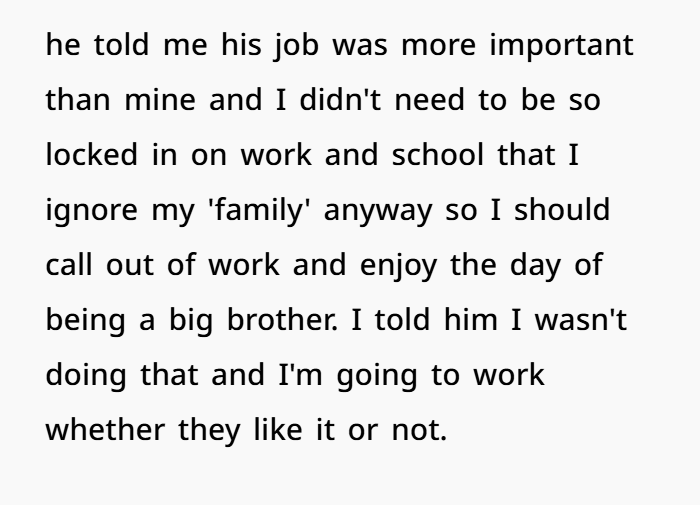
Two days before his shift, his stepmother told him to call out of work so he could stay home and babysit his three younger half-siblings. She said she needed to go to a medical appointment. The boy refused because missing work would affect his job stability and long-term plans. He clearly told both his father and stepmother that he would not skip work.
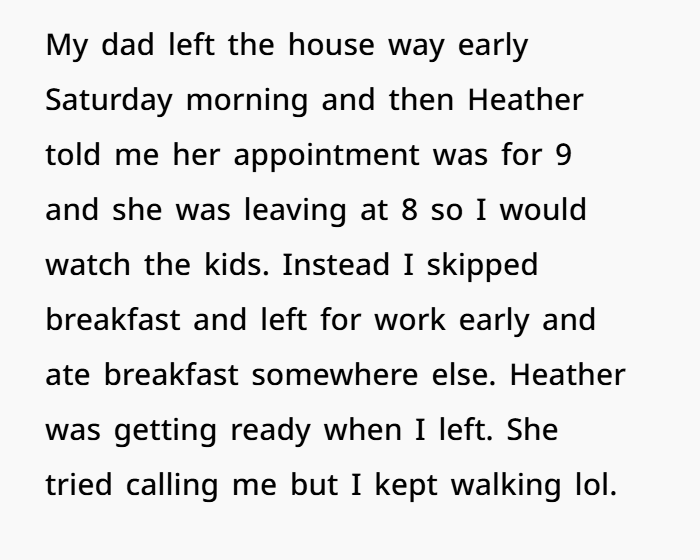
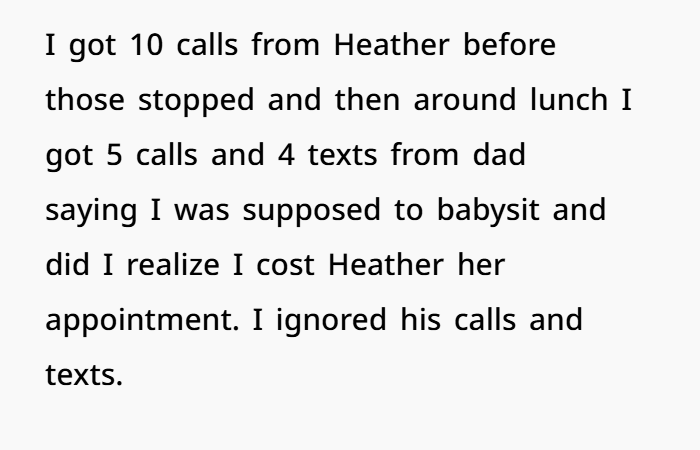
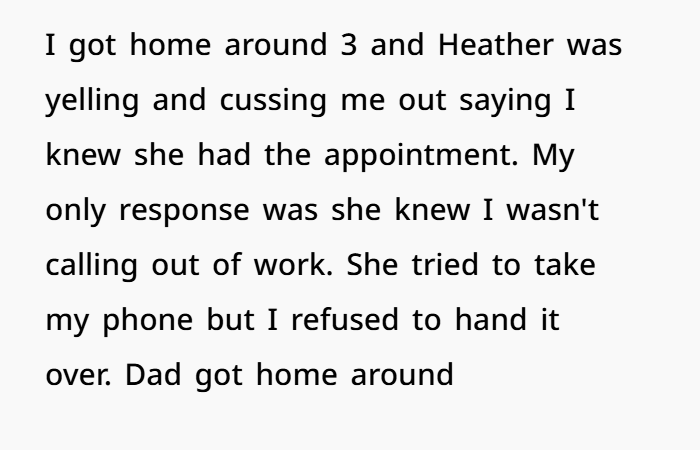
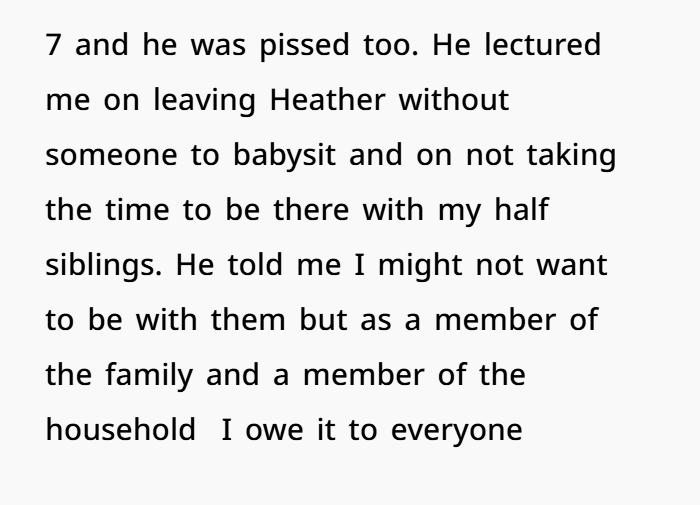
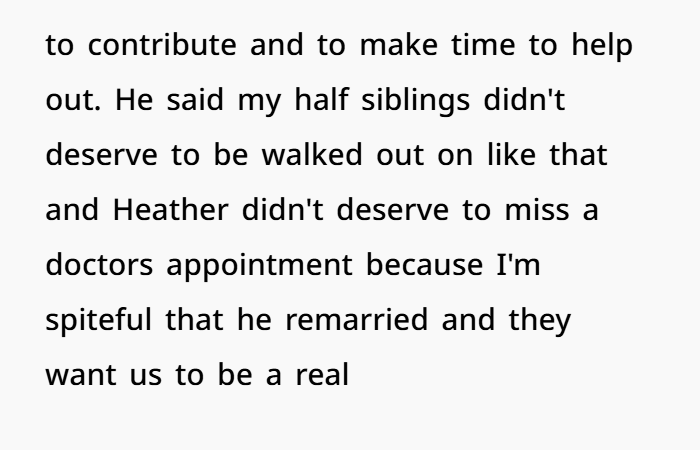
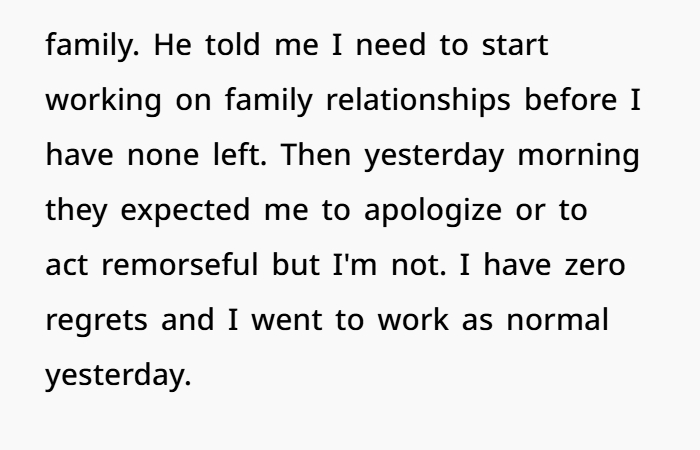
On the day of the appointment, he still went to work as planned. His stepmother missed her appointment, and later his father became very angry. He accused his son of being selfish and said that helping with family responsibilities, like childcare, should come first in a household.
Now the situation has created a serious family conflict. The teenager feels he is not fully accepted in the home and is focused on building his independence and future. He is now questioning whether he was wrong to prioritize his job, financial planning, and personal responsibility over family expectations and babysitting duties.
The poster had work on Saturday, yet he was expected to look after his 3 half siblings, as his dad’s wife (Heather) had an appointment
Let’s talk about this situation in a simple and clear way. This is not just about babysitting. It is about family pressure, boundaries, and how teens are treated in blended families.
📦 Blended Families and Personal Boundaries
Blended families can be difficult for everyone. When parents remarry and new children come into the home, things can get complicated.
But one important thing is often ignored: older kids are not automatic babysitters. A teenager should not be forced into parenting roles, especially when they did not choose the situation.
In this story, the 17-year-old is not being rude or selfish. He is simply setting a boundary. He does not want to take care of three young kids on short notice. That is a big responsibility.
He also has work and school. At 17, staying focused on education and earning money is important for his future. Many teens in similar situations rely on part-time jobs for financial independence and personal growth.
💼 Teen Jobs, Work Schedule, and Responsibility
Work is very important for teenagers. It helps them learn responsibility and save money for their future.
In many countries, including rules from the U.S. Department of Labor, teens have limited working hours. This means every shift matters a lot.
Canceling a work shift at the last minute can cause problems. It can affect income, job trust, and future work opportunities. That is why the teen is careful about his job.
For many young people, a job is not just about money. It is about independence and building a better future, especially in homes where they feel pressure or stress.
👶 Older Sibling Pressure and Family Expectations
This situation shows a common family problem called “parentification.” This is when older children are treated like adults and asked to take care of younger siblings.
The problem here is that the teen was not asked politely. He was told what to do. There is a big difference between asking for help and forcing responsibility.
Experts say this kind of pressure can lead to stress, anger, and emotional burnout in teenagers. It is not healthy for a child to feel responsible for adult duties all the time.
🚨 Emotional Pressure and Guilt in Families
The teen was called selfish and told he is not a “real family member.” This is emotional pressure.
When parents use guilt or anger to control children, it can become emotional manipulation. It makes the child feel bad for setting normal boundaries.
In this case, the teen is not refusing to help at all. He is only refusing last-minute babysitting that affects his job.
Healthy family support means respect goes both ways. It should not depend on guilt or pressure.
📚 Legal View and Teen Rights in Family Settings
Many similar stories appear in family advice forums like Reddit, especially in discussions about teen labor rights and family responsibility boundaries.
Legally, a 17-year-old is still a minor. But parents cannot force them to miss work for non-emergency situations in most cases.
Child development experts also say that too much unpaid caregiving can affect school performance and mental health. This is especially true in blended families where roles are not clearly defined.
🏃♂️ Why Leaving Early Made Sense
The teen decided to leave early instead of arguing. This helped avoid a bigger fight at home.
Sometimes in stressful family situations, walking away is the safest option. It prevents conflict and clearly shows a boundary without a long argument.
Even though the family kept calling and messaging, the teen stayed firm. This shows strong emotional boundaries, which are important for mental health and personal growth.
🥶 Family Pressure and “Real Family” Talk
The idea of “real family” is often used during arguments. But real family should not mean forced responsibility or emotional pressure.
A healthy family supports each other, but also respects personal time, school, and work.
The teen is not against his family or siblings. He just wants to focus on his own life and future goals. That is normal for his age.
There is nothing wrong with building independence, especially when it involves teen job responsibilities, work-life balance, and future planning.
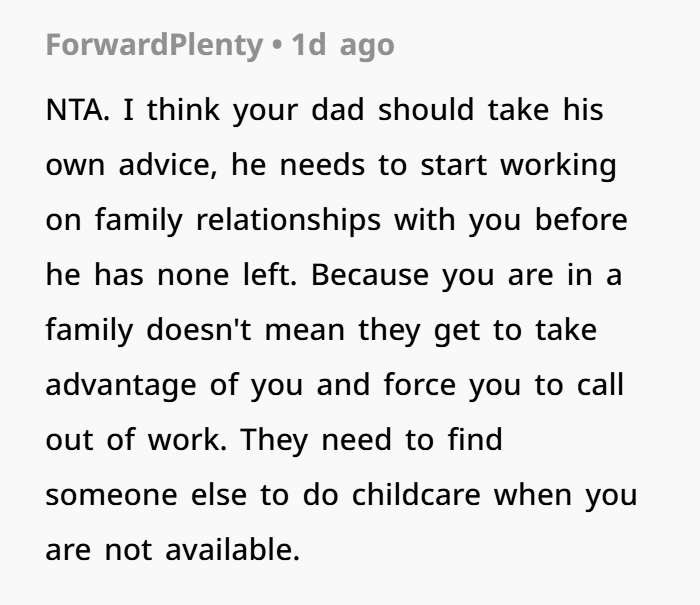
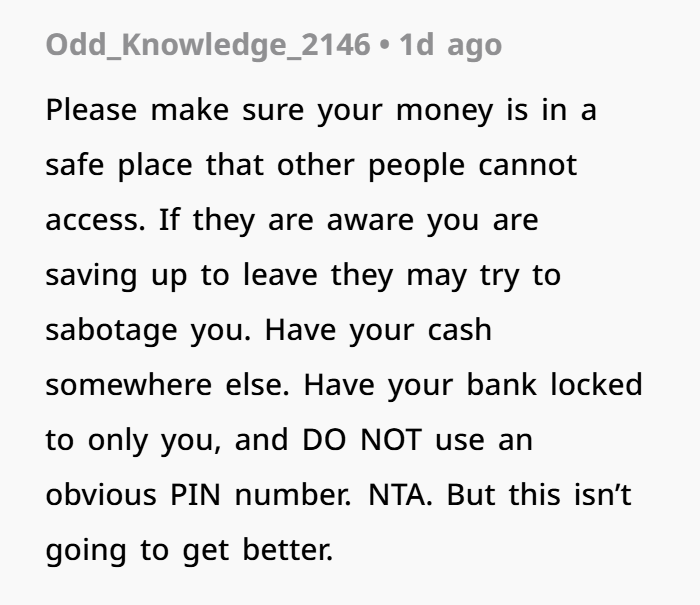
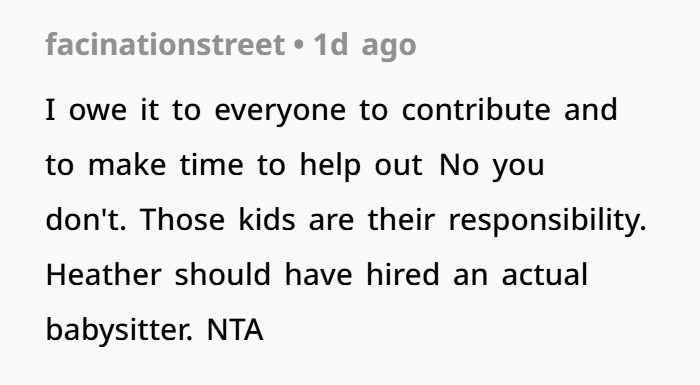
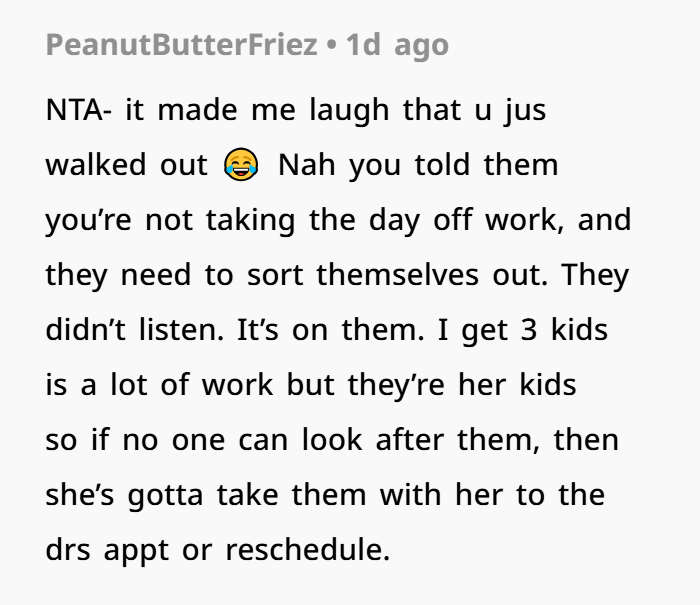
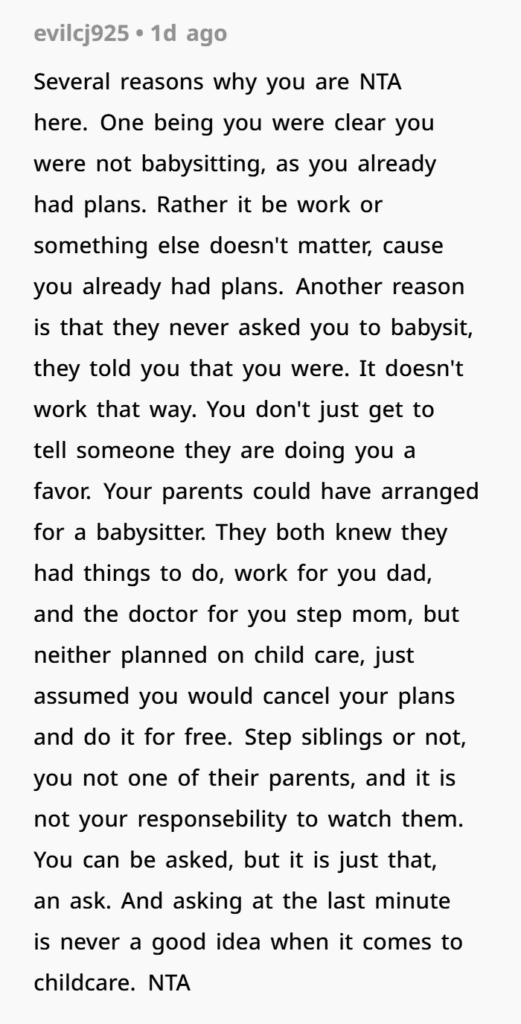
Netizens instantly sided with him, called out the couple’s entitlement, and even cautioned him to keep his money safe

🧠 Final Thoughts
This is not a story about a “bad kid.” It is about a young person trying to balance work, school, and family pressure.
He is not refusing to help forever. He is simply saying no to unfair expectations.
In the end, setting boundaries is not selfish. It is a part of growing up, especially in blended families where roles are not always clear.